
Do you still need a landline for broadband?
20th April 2026

When was the last time you made a call on your landline phone?
Chances are, it might have been quite a while. In the UK, only 41% of homes still own a landline – quite a change from 2000 when 95% had one. And of the 74% people who do have one, most don’t actually use it.
But with less landline calls in our lives these days, do you really still need a landline connection to get broadband at home?
With the landline switch off looming just around the corner, it might be time to rethink whether you really need a landline, and look at some of the newer options available.
Do I still need a landline with broadband?
At one time, all residential broadband was delivered on landlines. The same copper cables that made it possible to make calls using traditional telephones also carried your internet. For this reason, broadband packages and landline rental naturally came hand in hand – in the shape of ‘landline with broadband’ packages.
But in recent years, other options have come on the market that don’t rely entirely on telephone lines anymore. This means more ‘broadband only’ packages and deals have become available to customers.
Today, landline with broadband packages are already being phased out, and they won’t be available at all beyond 2027. To stay online after the cut off, you’ll want to make sure you’ve got a newer digital connection, if you haven’t already. Any older connections like ADSL, VDSL and Fibre to the Cabinet (FTTC) will need to be upgraded.
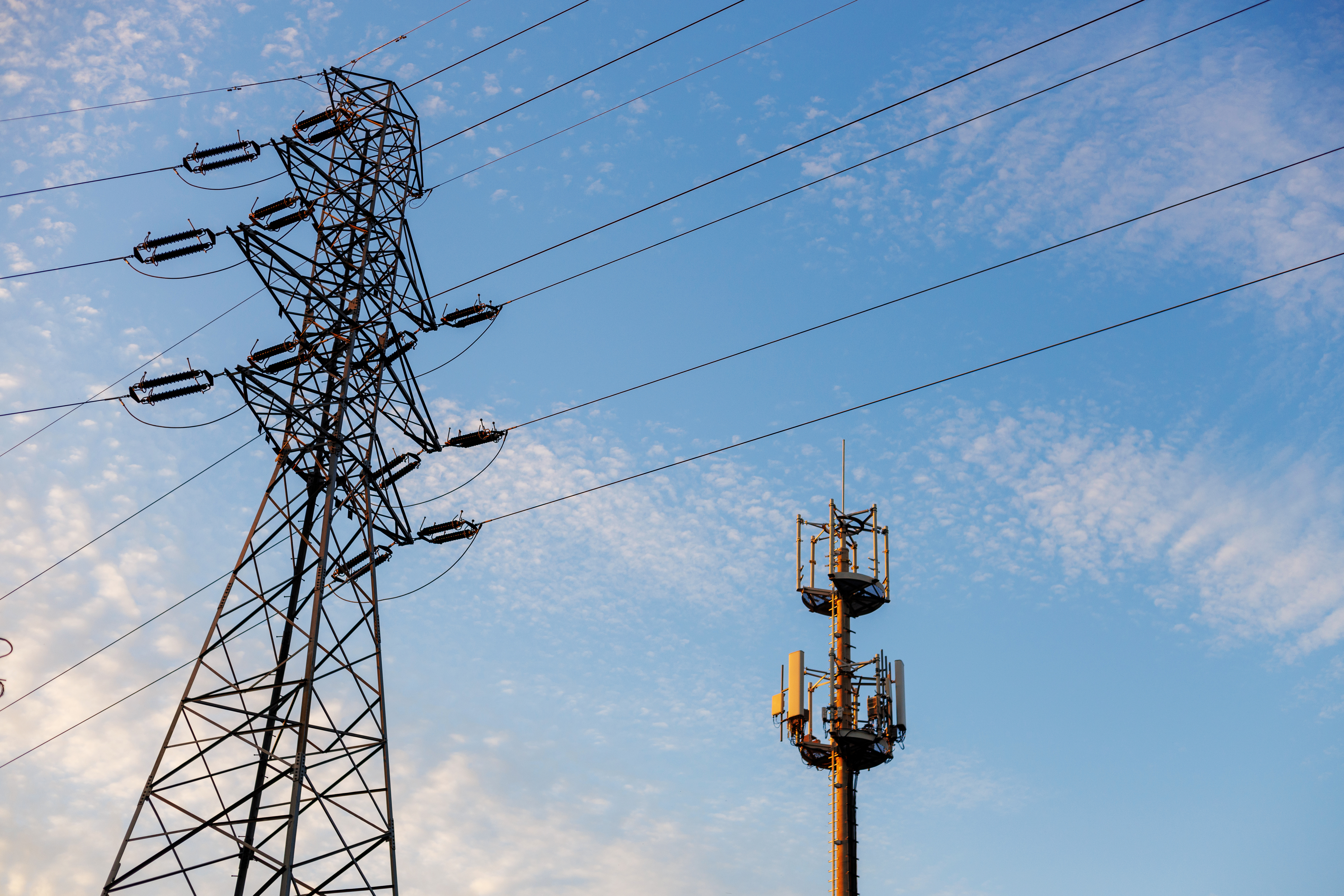
What broadband options are available to me without a landline?
As the UK moves away from older copper-based technology, full fibre broadband is becoming the new standard – offering faster speeds and more reliable connections. Here are a few options:
Full fibre broadband
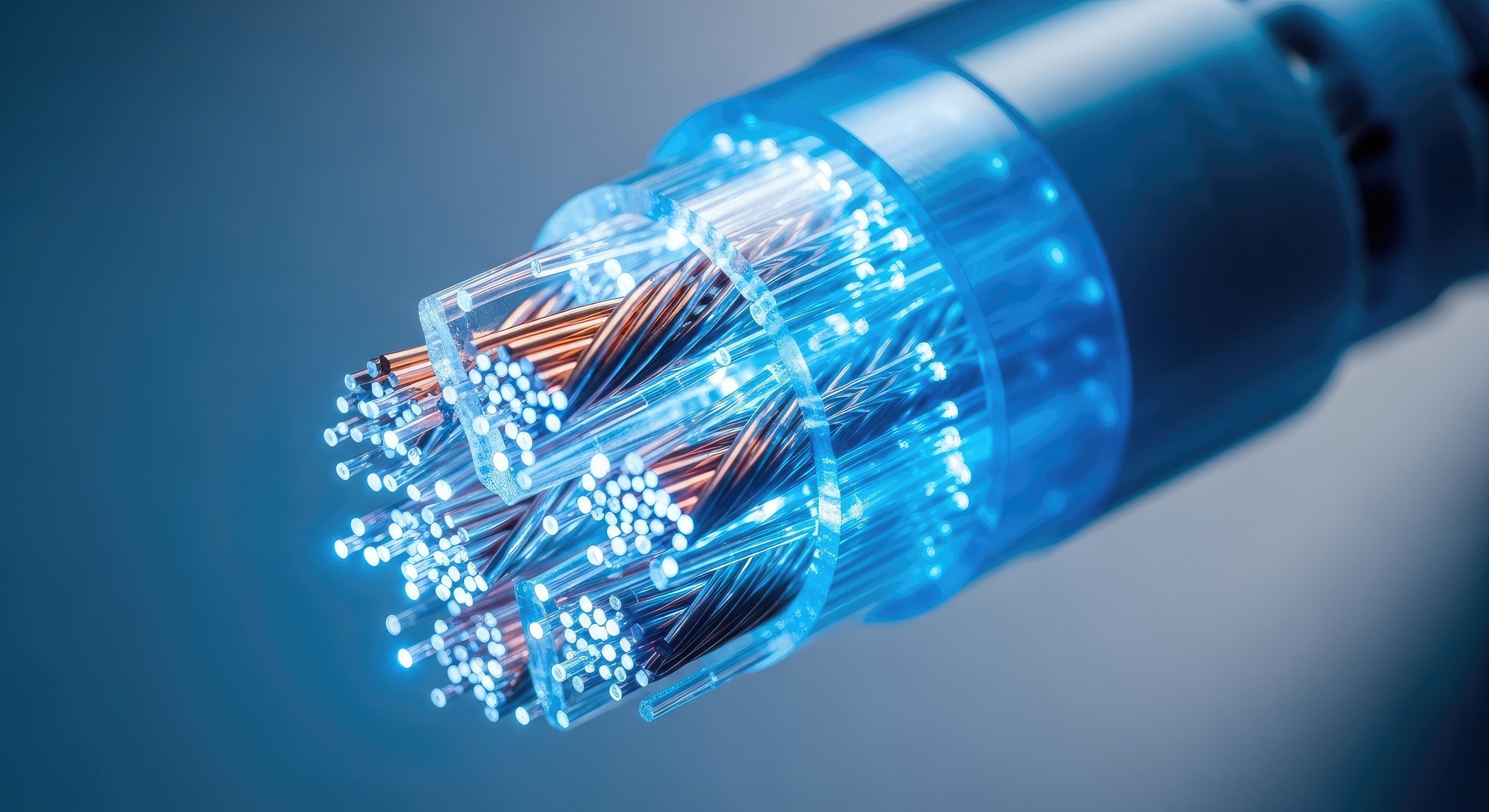
Fibre to the Premises (FTTP), also known as full fibre, is a fibre optic connection all the way to your home. It’s dedicated to the customer, very rarely loses signal over distances and is up to 30 times faster than standard fibre (or FTTC). FTTP isn’t just another upgrade – its reliability, speed and quality mean it’s likely to be with us for decades, and is a solid, long-term investment for any UK home.
Mobile broadband
Full fibre isn’t just the only option out there. While Ofcom is aiming to connect 95% of the UK with full fibre connection by 2028 – there will be some areas where it won’t be available for some time.
In this case, mobile broadband will be your next best option. This is where home broadband is delivered over your mobile network. But it only really works if you live in an area with a strong 4G or 5G signal. You’ll also need a Mi-Fi device or mobile hub/router to send the signal around your home.
Unfortunately, mobile broadband is affected by all the usual problems of mobile phone signal and it’s also not available at the premium speeds, like Gigabit, that fibre connections can offer. In short, it’s really not the most ideal option for anyone who needs high-quality internet, at all times – but means to an end, if you have to go that route.
What if I’m on a Fibre to the Cabinet (FTTC) connection?
FTTC is only part fibre, unlike FTTP which is full fibre. So, it only uses fibre optic cables from the exchange to the street cabinet, and then old-fashioned copper cabling from there to your home. Because of this, it’s also being phased out as part of the 2027 copper switch off. And any internet services or landline phone calling as part of these packages will eventually be turned off. So, your best move is to upgrade from FTTC, and start looking at alternative landline options such as VoIP.
What is VoIP?
VoIP converts analogue voice calls into a digital signal and transmits them over the internet, rather than using a landline or mobile network. Calls can be made from a range of digital devices like computers, tablets, smartphones, smart TVs and users can even connect their old landline-style telephone handsets via an adapter. And you can call out to mobile or landline numbers too.
You might not realise but you may have already used platforms offering VoIP services like MS Teams, Zoom, Skype, WhatsApp, FaceTime and Facebook Messenger.
And there are plenty of new benefits. VoIP will bring clearer phone calls and countless more features like video calling, group calls, call forwarding and recording – all delivered over broadband.
The main catch though is that, ultimately, the quality of your phone calls will be entirely reliant on the quality of your internet. It’s another major reason to invest in a high-quality full fibre connection – as the more reliable your connection, the less likely you’ll experience dropped calls or poor audio quality.
When are landlines being switched off?
On 31st January 2027, the Public Switched Telephone Network (PSTN) that carries classic landline phone calls is being switched off forever. After that, homes can still have landline-style handsets and calling – but they’ll need to transition to a fully digital service. Everything resembling ‘traditional phone calls’ will move over to Voice Over Internet Protocol (VoIP) calling and other Digital Voice technologies.
Embrace the future at LightSpeed
If you need to make the switch ahead of the PSTN switch off, or are looking to upgrade your phone calling services, then we’re here to help.
At LightSpeed, we only offer FTTP broadband connections, as we believe dedicated full fibre is the best choice for modern homes. And what’s more, it will be for years to come.
Plus, if you still love your landline telephone, switching to LightSpeed doesn’t mean giving it up either. We have future-ready VoIP solutions available as part of all our packages. So, you can keep your old handset and number and make the full transition to Digital Voice sooner rather than later. Explore our range of home broadband packages and our Digital Voice add-ons here.
No more buffering. No more lag. Just pure, uninterrupted speed.
Switch to LightSpeed full fibre broadband today