
What broadband speed do I need?
23rd June 2025
Having the right broadband speed is the difference between seamless browsing or constant buffering. What matters most is having the right speed to suit your lifestyle, whether that’s a smooth setup for working from home or a steady connection that guarantees buffer-free Netflix binges. What you do and how you use the internet will shape the speed you choose. Here’s everything you need to know.
What is Broadband Speed?
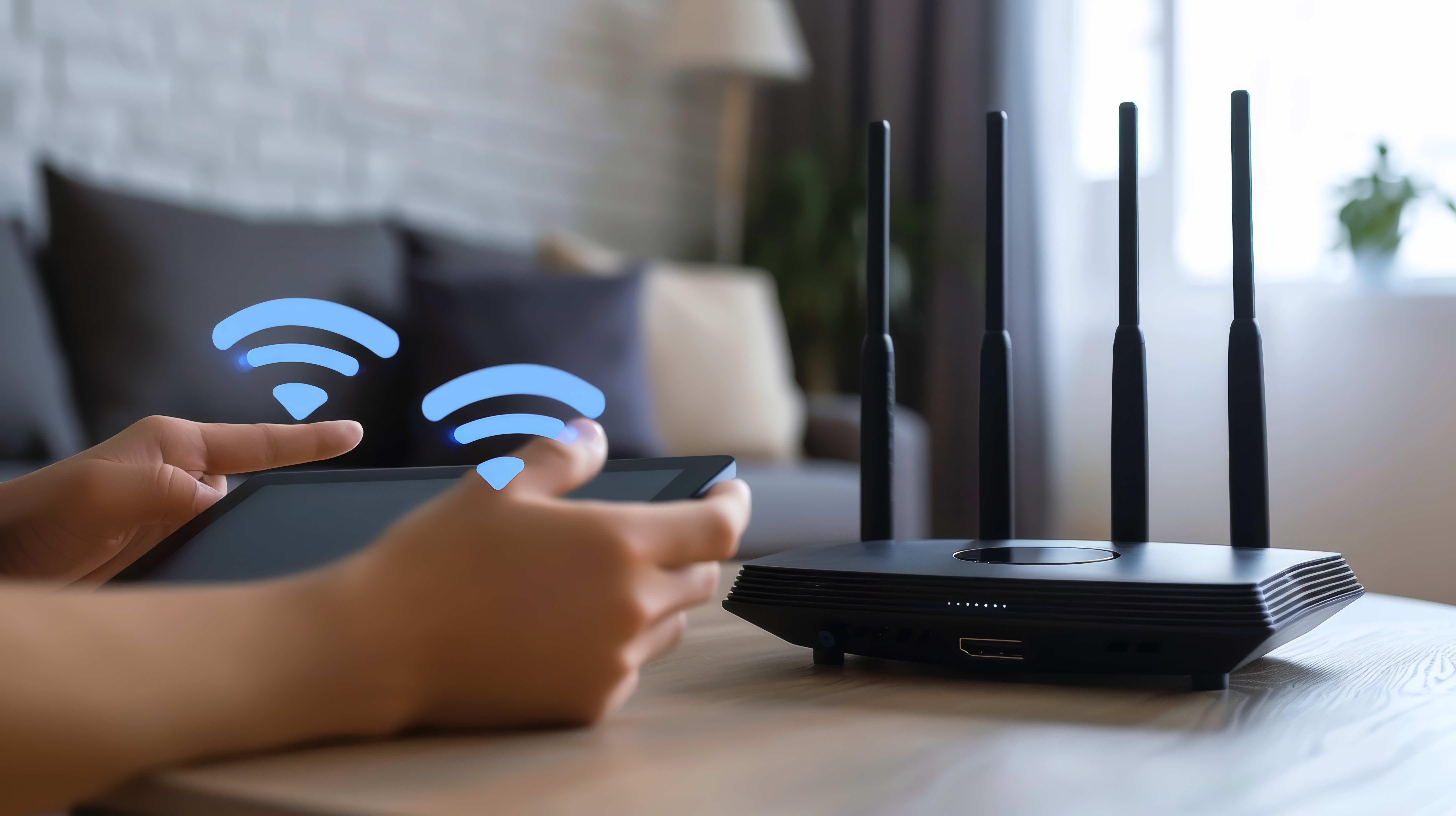
Broadband speed is all about how quickly the internet can send and receive data to your connected devices, also known as download and upload speeds.
Download speed is how fast your connected device can receive data from the internet.
Upload speed is to how fast you can send data from your device to the internet.
Symmetrical speeds mean your download and upload speeds are the same.
Download speed is what we use to watch videos, listen to music, search online and download things from the internet. Download speeds are important if you watch a lot of movies and tv shows on streaming networks like Netflix or Amazon Prime and equally important if you want to download large files like the latest games on your console or PC.
Upload speeds can be used for things like hosting video meetings, uploading content to social media, or uploading large files and videos to an online drive. Upload speed is particularly important if you work from home, make a lot of video calls, or if you send large files regularly.
But now, times have evolved even further. Most full fibre networks now offer symmetrical broadband, where your upload and download speeds are the same. Meaning you’re able to do a range of activities like gaming, working from home, or creating content with equal efficiency.
How is Broadband Speed Measured?
Broadband speed is measured in Mbps (Megabits per second) and Gbps (Gigabits per second). 1000 Mbps (megabits per second) is equal to 1Gbps of speed. Which covers most things from downloading the latest games, running large households using lots of gadgets, and ensuring high quality streaming for movies and TV shows.
What Broadband Speed Do I Need?
It depends on what you use the internet for. Most households now need more than just the basics. Speeds of at least 75–100 Mbps are the minimum recommendation to cover the basics such as shopping online or browsing social media. But for households with multiple users, smart devices, or heavier usage like gaming and working from home, faster packages starting from 500 Mbps and up deliver a noticeably smoother experience.
Online Activity | Our Suggested Speeds |
|---|---|
I regularly watch movies and TV shows via a streaming service like Netflix or Amazon Prime | Our suggestion: 150 - 500 Mbps |
I work from home regularly and want to stop my video calls from lagging | Our suggestion: 150 - 500 Mbps |
I want to download and play the latest games online using my console or PC | Our suggestion: 1 - 2 Gbps |
I have a family and we regularly watch movies, use our mobile phones and play games on devices | Our suggestion: 500 Mbps - 2 Gbps |
Shop Broadband Packages
What Broadband Speed Do I Need To Work from Home?
Your internet speed can make or break your work from home experience, especially when you're juggling video calls, large file uploads, or using multiple devices.
For basic tasks like emailing and searching online 10-25 Mbps can get you by. But if you regularly host or join video calls on platforms like Zoom or Microsoft Teams, you’ll want to look at speeds over 100 Mbps to avoid interruptions. If your work involves transferring large files or using cloud services, aim for 150 Mbps or more. While professionals handling heavy-duty tasks like video editing or software development may need 500 Mbps or higher. If other people in your household are working from home, you should add at least 25 Mbps per additional user.
For the best work from home experience, aim for 500 Mpbs download and upload speeds to get the best connection, reduce lag, and improve the overall performance of video calls.
What Broadband Speed Do I Need to Watch Netflix?
To watch Netflix your video quality will depend on the quality output of your device and the number of devices streaming at the same time. Netflix recommends minimum internet speeds as per the video resolution required below:
High Definition (HD) 720p: 3 Mbps +
Full High Definition (FHD) 1080p: 5 Mbps +
Ultra High Definition (UHD) 4K: 15 Mbps +
If multiple devices in your household are streaming simultaneously, you should add at least 5-15 Mbps per device depending on the video quality. 150 Mbps is ideal for a small household that doesn't use any other devices, while larger households with multiple TVs that want to steam in 1080p-4K at the same time will need 500 Mbps or higher to avoid buffering. For the best streaming quality, using a wired Ethernet connection or a high-quality Wi-Fi router will give you optimal performance.
What Broadband Speed Do I Need for Gaming?
If you’re gaming online, a good broadband connection can mean the difference between securing that big win or rage quitting due to unbearable lag.
For most online games like Call of Duty, Fortnite, or FIFA, download and upload speeds of 500 Mbps are enough to keep you in the action, but they might not provide the smoothest experience. Upgrading to a high-speed broadband package of 1 Gbps or more can help minimise lag and ensure consistent, high-quality gameplay. Low latency or ‘ping’ is the most important for a smooth gaming experience. Ping rate is how long it takes for a signal from your console to reach the game server. Your broadband connection, speed, distance from the game server and what kind of hardware you’re playing on can all affect your ping rate.
For the best gaming experience, a connection with 500 Mbps download and upload speeds is recommended as a minimum. However, competitive gamers or households with multiple devices in use may require 1 Gbps or more to prevent network congestion. Full fibre connections with symmetrical speeds (equal upload and download) will give you the best performance, ensuring smooth gameplay, quicker game downloads, and uninterrupted streaming.
How Do I Check My Broadband Speed?
To check your broadband speed, you can use online tools such as Speedtest.net, which measures both your download and upload speeds as well as your ping (latency), giving you a good idea of how well your internet is performing.
However, it’s important to note that online speed tests aren’t always the most accurate, and the results can vary for a variety of reasons. The device you're using (whether it's a mobile phone or desktop), the type of connection (wired vs. wireless), and even the time of day can all affect your results. For example, speeds may drop in the evening or on weekends when more people are using the internet.
Wireless (Wi-Fi) connections can also produce slower results compared to a wired Ethernet connection since Wi-Fi signals can get interface from walls, other electronic devices, and even simple factors such as the distance between your device and the router. To get the most accurate results, it's best to test your internet speed using a wired connection.
If you consistently experience slow speeds or your test results are much lower than what your broadband plan promises, it’s a good idea to contact your internet service provider (ISP). Your providers customer service team or engineers can perform more accurate speed tests and help you with any questions.
Summary
In the end, picking the right broadband speed is all about how often you’re using the internet and how many devices you’re using across your home at one time. To get the most out of your connection and cancel out buffering, higher speeds will protect you from dropouts and interference. Whether you’re gaming, video calling, or powering a house full of smart tech, a full fibre connection up to 1–2 Gbps can give you all the sped you need. If you're not sure what speed you need, get in touch with us at LightSpeed, and we’ll help you find the perfect plan for seamless browsing, streaming, or gaming.
No more buffering. No more lag. Just pure, uninterrupted speed.
Make the jump to LightSpeed’s full fibre network.
Check availability in your area.