
What is an Internet Service Provider (ISP)?
21st August 2025
What is an Internet Service Provider (ISP)?
An Internet Service Provider (ISP) is a company that gives individuals and businesses access to the internet.
Think of an ISP like the bridge between devices like your phone, laptop, TV and the world online. Online shopping, YouTube, emails... none of these would be accessible without an ISP facilitating the connection.
While "ISP" and "broadband provider" are often used interchangeably, there is a difference between the two:
An ISP is any company that provides access to the internet, through methods such as fibre-optic cables, phone lines, mobile networks, or satellite connections.
A broadband provider is a specific kind of ISP that delivers high-speed internet, typically by part-fibre or copper .
How Do ISPs Work?
ISPs operate the infrastructure that delivers the internet to your home or office. They are responsible for making sure you’re connected to the internet and that your connection is stable and secure.
Here’s a simplified breakdown of how it works:
The ISP connects to the wider internet. This includes global data networks, undersea fibre cables, and data centres.
They deliver that internet to your premises. This is done through a physical connection such as fibre-optic cables or via wireless signals depending on the type of service you choose.
You connect your devices via a router. The router creates a local network inside your home distributing the connection wirelessly (aka Wi-Fi) or through Ethernet cables.
Your data travels back and forth. Every time you open a website or stream a video, your ISP sends and receives the necessary data to keep you online.
For example, when you sign up for broadband with a provider like LightSpeed, we install a fibre optic cable directly into your home. Once you’re connected, your devices communicate through that line every time you go online, offering a super stable connection directly form the network to your home or business.
Types of ISP Connections
The type of connection your ISP uses can affect a whole range of things including speed, reliability, and availability. Here are some of the most common types of connections ISPs use:
Full Fibre (FTTP)
With full fibre (also know as FTTP), ultra-thin fibre-optic cables run directly from your Internet Service Provider to your home or business. Giving you extremely fast speeds and reliability when using the internet.
Because the connection is full fibre (no old copper cables involved) it can handle high demand and usage, as well as supply a connection to multiple devices at once. Most providers offering full fibre also provide symmetrical upload and download speeds, which is especially useful for taking video calls, streaming in 4K, or working from home.
FTTC (Fibre to the Cabinet)
FTTC (Fibre to the Cabinet) broadband is a type of internet connection that uses a combination of fibre optic and copper cables to deliver internet to your home. Fibre optic cables are typically connected to a street cabinet near your property, where they use the existing copper telephone wires to connect your home to the internet. This offers relatively fast speeds and more reliability than older ADSL connections, but not as fast as full fibre (FTTP) connections.
Cable
Cable broadband uses predominately copper cables (originally designed for TV) to transmit data. This type of connection was the primary method of connectivity before full fibre and many large companies still use it although performance varies considerably compared to full fibre. Copper cables are slowly being phased out, with the copper switch due to be completed by January 2027.
Satellite
Satellite internet beams data from satellites in space to your dish at home. It’s mainly used in rural or remote areas where wired infrastructure hasn’t reached yet.
While it provides vital access in places where other options aren’t available, satellite internet usually has higher latency (the delay between sending and receiving data) and slower speeds compared to fibre or cable. It can also be more expensive and easily affected by weather conditions.
Dial-up
Dial-up is one of the oldest ways to access the internet, using your home’s phone line to establish a connection. If you remember your internet making strange screeching noises in the early 2000s, that was dial-up.
With speeds of around 56Kbps, dial-up is incredibly slow by modern standards. It's rarely used today, except in the most remote locations where no other infrastructure is available.
Wireless
Some ISPs offer wireless broadband that uses mobile networks, such as 4G or 5G, or fixed wireless systems.
Wireless internet can be a flexible and quick solution, especially in areas without stable wired connections. Speeds have also improved significantly with 5G, making it a viable choice for those without high internet demands. However, wireless connections can still vary depending on signal strength, location, and network congestion.
What other services do Internet Service Providers offer?
Beyond connecting you to the internet, most ISPs also provide a range of additional services. These vary from provider to provider. Some services may be included in your standard package while some may be offered as add-ons. These can include:
Home Security
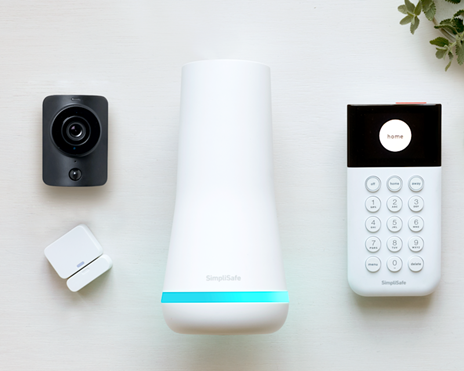
Some ISPs offer smart home security solutions, including Wi-Fi-enabled cameras, motion sensors, and remote monitoring. These services are often managed through an app and integrated with your internet package.
VOIP (Voice Over Internet Protocol)
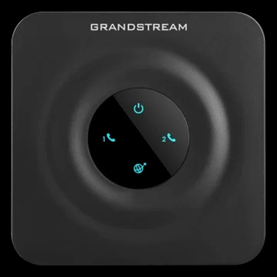
VOIP services are becoming increasingly popular, allowing you to make phone calls using your internet connection instead of a traditional landline. It’s useful for both residential and business customers, and often comes with features like voicemail, call forwarding, and virtual numbers.
Wi-Fi extenders
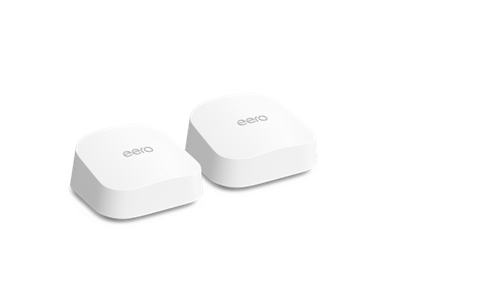
To combat those weak zones in your home where Wi-Fi doesn’t reach, ISPs may offer additional add ons like mesh extenders to help your signal extend further. These devices can be placed around your home or business to boost your signal and ensure strong, consistent coverage in every room.
Summary
An Internet Service Provider is your gateway to the online world. Whether you're streaming films, running a business, or simply browsing the web, your ISP makes that possible. They provide the infrastructure to maintain your connection and offer additional tools and services to improve your online experience.
Understanding how ISPs work, what they offer, and the types of connections available helps you make more informed decisions about your internet service and ensures you get the speed, reliability, and support you need.
Whether you're with a national provider like BT or a regional full fibre specialist like LightSpeed, your ISP plays a crucial role in your daily digital life.
No more buffering. No more lag. Just pure, uninterrupted speed.
Make the jump to LightSpeed’s full fibre network.
Check availability in your area.